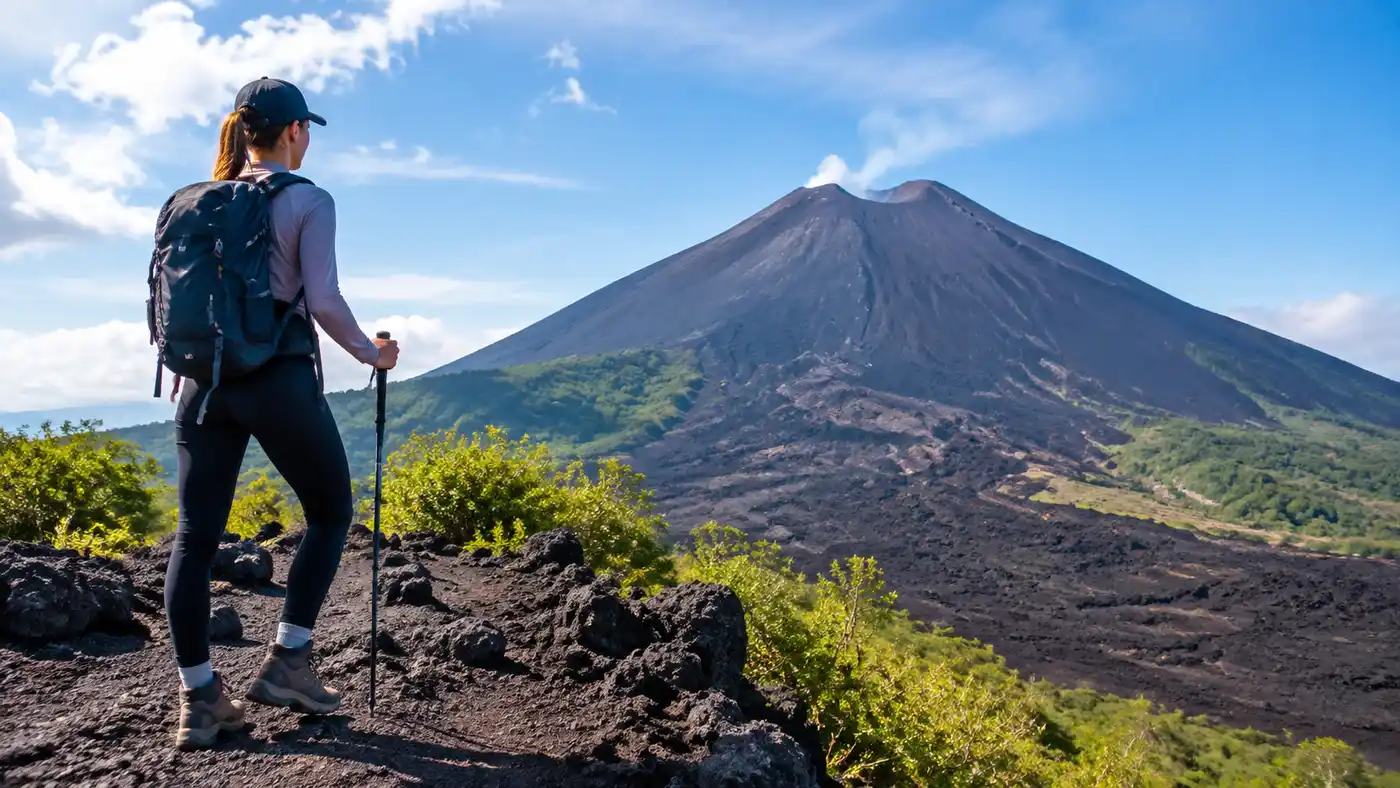
What to Wear for the Pacaya Volcano Hike
You step out of the shuttle van at the trailhead in San Vicente Pacaya, and the air feels deceptively mild. Farm dogs are sleeping in the dirt, locals are renting out walking sticks for 5 Quetzales, and you might think shorts and light tennis shoes will do just fine. They will not. Deciding what to wear to hike pacaya volcano comes down to understanding that you are not walking through a manicured park. You are climbing 2,552 meters up an active basalt cone covered in loose cinder, sharp tephra, and clouds of kicked-up ash that ruin porous fabrics in under an hour.
I learned this the hard way on my first ascent when volcanic grit worked its way into my low-cut running sneakers, grinding my heels raw before we even reached the plateau. The trail shifts quickly from damp pine forest to an exposed, moon-like expanse where the wind cuts right through cotton shirts. Getting your clothing right saves your skin from nasty scrapes if you slide on the scree, keeps you warm when the sun dips behind the clouds, and stops you from trashing a perfectly good pair of city shoes.
Book your pacaya volcano hike experience:
Footwear Decisions: Why Your Shoes Might Get Destroyed
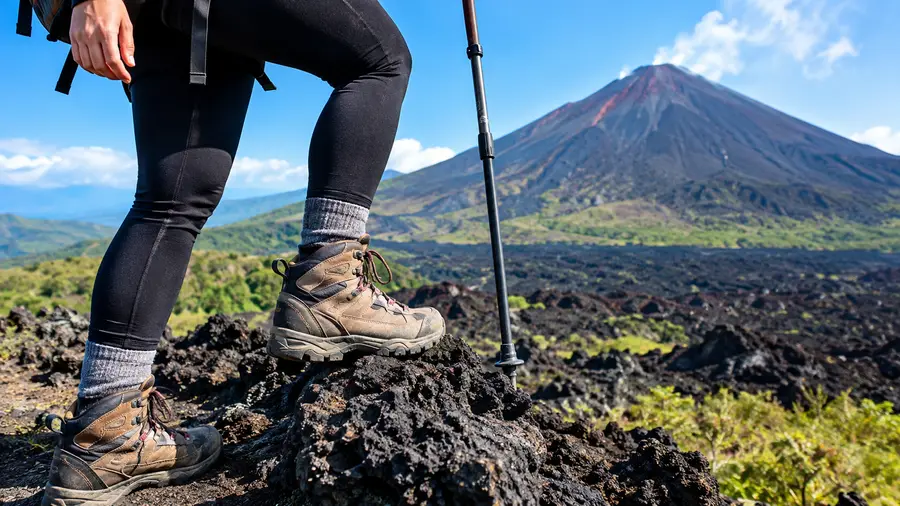
Your footwear will take the brunt of the abuse on Pacaya. The trail starts on compact dirt and clay, but the final third consists entirely of deep, black volcanic gravel. Every step forward feels like sinking half a step backward. Fine black powder coats everything, working through mesh fabric and turning your socks pitch black. Sturdy trail runners with tightly woven uppers or proper hiking boots with ankle collars are the only sensible choice here. If you wear shoes with breathable, wide mesh, your toes will swim in grit within twenty minutes.
Traction matters more than you might suspect. Descending the scree slope near the crater is basically controlled skidding. You drive your heels into the loose rock, sliding a foot or two with each stride. Smooth soles will send you straight onto your backside, and volcanic rock is sharp enough to slice open hands and tear lightweight running tights. A sticky Vibram rubber lug or deep trail tread bites into the shifting cinder, giving you just enough purchase to stay upright while descending.
Note: Leave expensive white sneakers and thin-soled lifestyle shoes at your hotel in Antigua. The heat radiating from thermal vents can soften cheap shoe glue, and the abrasive rock will scuff leather and tear through canvas without mercy.
Sock selection is almost as critical as the shoes themselves. Crew-length wool or dense synthetic socks create a physical barrier against pebbles jumping over your shoe collars. Ankle socks are useless on this terrain. The moment you step into the scree fields, little black stones drop straight down inside your socks, forcing you to stop every five minutes to shake them out. Pair mid-cut wool socks with your trail footwear, and you will walk without stopping to dig gravel out of your arch.
The Layering System: From Humid Farmland to Freezing Ridges
Figuring out your pacaya volcano hike difficulty usually starts with physical fitness, but thermal regulation plays a huge role in how exhausted you feel. The bottom of the trail sits around 1,800 meters. Climbing through the humid lower tree line gets your heart pumping fast, and you will sweat through whatever you have on within fifteen minutes. As soon as you clear the tree canopy and step out onto the volcanic plateau, cold winds sweeping across the valley hit your damp clothes immediately.
A smart three-piece layering system handles this shift without forcing you to carry a massive, heavy backpack. Start with a lightweight, moisture-wicking synthetic or merino wool t-shirt against your skin. Avoid pure cotton at all costs. Cotton soaks up sweat like a sponge, stays wet, and turns into a refrigerator against your ribs the moment the wind picks up at the summit plateau. Over that, carry an insulating mid-layer, like a breathable grid fleece or a lightweight packable down jacket that compresses down to the size of a water bottle.
| Layer | Recommended Item | Material | Primary Purpose |
|---|---|---|---|
| Base Layer | Short or long-sleeve tee | Merino wool or polyester | Sweat management on the steep lower climb |
| Mid Layer | Grid fleece or lightweight down | Fleece or 650+ fill down | Trapping body heat when resting at the plateau |
| Outer Shell | Lightweight windbreaker or rain shell | Ripstop nylon with DWR | Blocking fierce ridgeline winds and afternoon rain |
| Pants | Ripstop trekking pants | Nylon / spandex blend | Abrasion resistance and dust protection |
| Footwear | Trail running shoes or hiking boots | Tightly woven synthetic or leather | Grip on loose cinder and ankle protection |
Your outer layer needs to block wind above all else. Pacaya acts as an immense windbreak between the coastal lowlands and the central highlands, meaning the plateau experiences gusty conditions almost year-round. A simple windbreaker or a waterproof rain jacket stops the chill cold. During the rainy season, which runs from May through October, an actual waterproof jacket with taped seams is mandatory because afternoon downpours roll in fast and without much warning.
Pants vs. Shorts: Why Bare Legs Are a Mistake
It can feel tempting to hike in running shorts, especially on a sunny morning when the valley looks warm and tranquil. Honestly, it is a bad idea. Long trekking pants provide protection that shorts simply cannot match. The trail narrows in several spots through thick brush where scratchy branches and overgrown grasses will whip your shins. Once you clear the trees, the wind frequently picks up fine, stinging grit that pelts your bare legs with every step.
When planning your pacaya volcano hike what to wear list, prioritize durable, stretchy synthetic pants. Technical nylon hiking trousers dry quickly if you get hit by a passing cloud and resist tears when you sit on jagged lava rock to eat lunch. Some travelers wear sturdy athletic leggings, which can work well enough, though cheap, thin cotton leggings tear instantly if you slip on the scree. Thick hiking tights or proper cargo trekking pants offer far better defense against the rough terrain.
- Pants material: choose nylon or polyester blends with mechanical stretch for stepping over high rock steps.
- Cuff style: pants with an adjustable drawstring at the hem help seal out volcanic dust from slipping down into your shoes.
- Color choices: dark grays, navy, or black hide the inescapable ash stains much better than tan or khaki fabrics.
- Avoid denim: blue jeans restrict your movement on steep inclines, hold moisture forever, and become stiff and freezing when exposed to wind.
I watched someone on my tour stumble while hopping across a trench of older, hardened basalt. He was wearing gym shorts and scraped his knee directly against the jagged rock. Basalt behaves almost like broken glass on raw skin. A pair of lightweight trail pants would have absorbed that scrape entirely, leaving him with dusty fabric instead of an open wound that needed antiseptic wipes and bandages at 2,400 meters.
Book your pacaya volcano hike experience:
Accessories for Pacaya Volcano Hike Safety and Comfort
Clothing is more than just shirts and pants. Small accessories make the difference between an uncomfortable trek and an enjoyable day out. High on the priority list for pacaya volcano hike safety is a lightweight buff or bandana. The dry season between November and April brings dry trails, and when groups of pack horses and hikers kick up the ash, the trail turns into a dust tunnel. Pulling a buff over your mouth and nose keeps you from breathing in pulverized volcanic rock and manure dust on the steeper inclines.
Pro tip: Keep a cheap pair of clear safety glasses or wrap-around sunglasses tucked into your strap pocket. If afternoon winds kick up loose tephra on the upper crater field, you will be able to see while everyone else is squinting through watery eyes.
Sun protection is another factor people underestimate because of the cool summit breezes. You are hiking at elevation in Central America. The sun burns pale skin fast up here, even when the thermometer only reads 16 degrees Celsius. A wide-brimmed hat or a baseball cap shields your scalp and face, while UV-rated sunglasses cut the blinding glare bouncing off the lighter patches of ash and surrounding clouds.
- Buff or neck gaiter: essential for filtering out fine ash dust kicked up by hikers and pack horses.
- Sunglasses: protects eyes from bright high-altitude glare and airborne cinder particles carried by wind gusts.
- Inexpensive lightweight gloves: running gloves or light work gloves protect your hands if you lose balance on rough lava stone.
- Daypack with rain cover: a 15 to 20 liter pack keeps your spare layers dry and your hands completely free for balance.
A walking stick is technically gear rather than clothing, but it interacts directly with how you move in your footwear. Local kids sell carved wooden sticks at the trailhead for roughly 5 to 10 Quetzales ($0.65 to $1.30). Take one, or bring your own trekking poles with rubber tips removed. Having that third point of contact spares your knees on the steep descent and keeps you upright when the gravel gives way beneath your boots.
Adjusting for Sunset and Night Tours
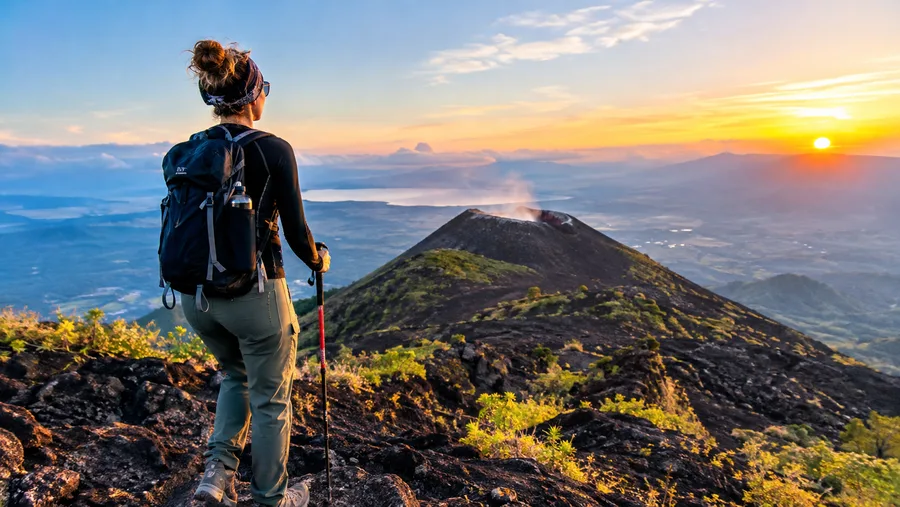
If you are planning an afternoon trek to catch the golden hour over the active cone, what you wear requires an immediate upgrade. Taking a pacaya volcano sunset, night hike means you will do the hard, sweaty climbing while the sun is still up, but your entire descent will happen in total darkness. As soon as the sun dips below the horizon, the temperature on the exposed plateau plummets dramatically, dropping down toward 7 or 8 degrees Celsius in the colder months between December and February.
Sweating heavily on the way up and then standing still on a wind-blasted ridge to roast marshmallows or eat pizza is a guaranteed recipe for hypothermia if you do not have warm dry layers. Pack a clean, dry wool beanie in your bag. The moment you stop walking at the plateau, pull off your sweaty baseball cap and put on the beanie. Swap your windbreaker for a thermal fleece or puffy down jacket before your body heat radiates away.
Descending in the dark over loose volcanic gravel adds an entirely new challenge. Headlamps are vastly superior to relying on your phone flashlight. A headlamp leaves both hands completely free to balance, scramble, or catch yourself if you slide. Choose a headlamp that pushes out at least 200 lumens with a wide beam so you can spot loose rocks and deep gravel patches three strides ahead of where your feet will land.
It also pays to carry a spare pair of dry socks in a sealed plastic bag inside your daypack. If you happen to sink into mud on the lower trail or get caught in a sudden rain shower on the ascent, changing into clean, dry wool socks before the cold night descent will instantly restore your comfort and morale.
Frequently Asked Questions about what to wear to hike pacaya volcano
Can I hike Pacaya in regular sneakers or running shoes?
You can manage in running shoes, but they need to have decent tread and a tight fabric weave. Lightweight fashion sneakers with flat soles or wide-mesh workout shoes will let in large amounts of sharp grit, slip constantly on the loose cinder slopes, and likely end up damaged by the rough lava rock.
Do I need full hiking boots for the Pacaya trek?
Full hiking boots are helpful for ankle stability on the shifting gravel, but they are not strictly required. Many experienced hikers prefer sturdy trail-running shoes paired with crew-length wool socks to keep debris out while staying agile on the climb.
Will my shoe soles melt on the lava rocks?
Active lava flows on Pacaya vary by month and volcanic activity, but hot spots and thermal vents are common on the plateau. If you stand directly on hot vents for more than a few seconds, the radiant heat can melt the glue on lightweight shoe soles. Watch where you step and follow your guide closely.
What should I wear during the rainy season?
Between May and October, pack a true waterproof rain jacket with a hood, quick-drying synthetic pants, and a rain cover for your backpack. Bring an extra mid-layer sealed in a dry bag so you have something warm and dry to put on if an afternoon storm passes through.
Quick Reference
- Sturdy trail runners or hiking boots with tight mesh
- Long synthetic trekking pants (no jeans or thin shorts)
- Moisture-wicking base layer with packable fleece or down jacket
- Buff or bandana for ash and horse dust protection
- Quality headlamp with spare batteries for afternoon tours
Book your pacaya volcano hike experience:
The Bottom Line
Prepping for Pacaya is not complicated, but cutting corners will quickly catch up to you on the volcanic slopes. Treat the mountain with the respect an active volcano deserves. Dress in breathable, durable layers, cover your ankles to keep the sharp tephra out, and pack a windproof shell along with a dust mask or buff. When you are standing warm and comfortable on the black volcanic plateau while cold winds howl across the crater rim, you will be very glad you left the fashion sneakers and gym shorts back at your hotel.
Read more about pacaya volcano hike.